The road to the canyon
How to get there, how long it takes, and what is worth stopping for on the way.
 Visitor centar Pecka
You can reach the Korana Canyon quickly, but that's a mistake. Not because you're not allowed to, but because the way there is as much a part of the day as the canyon itself, and someone who races through sees roughly nothing. This is country you don't drive past, you drive through.
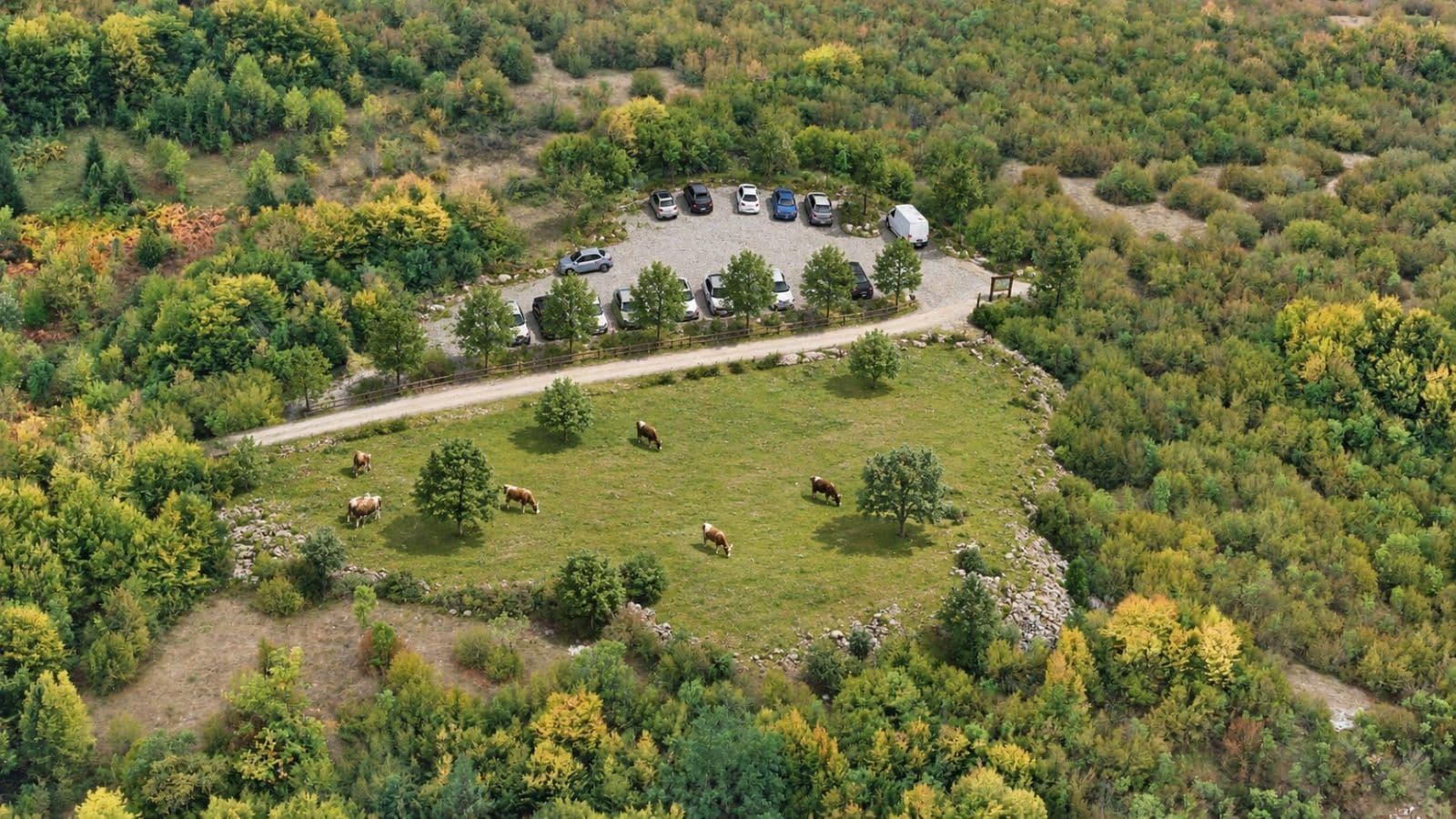
A little orientation first, since you're likely coming from further afield. Pecka sits in the Krajina region of western Bosnia, about thirty kilometres from Mrkonjić Grad and twenty from Šipovo, within reach of Banja Luka. The canyon is reached from the village, and the simplest thing is to ask at the visitor center for the current route and the state of the road before you set off, because conditions here change with the season and a local word beats a guess.
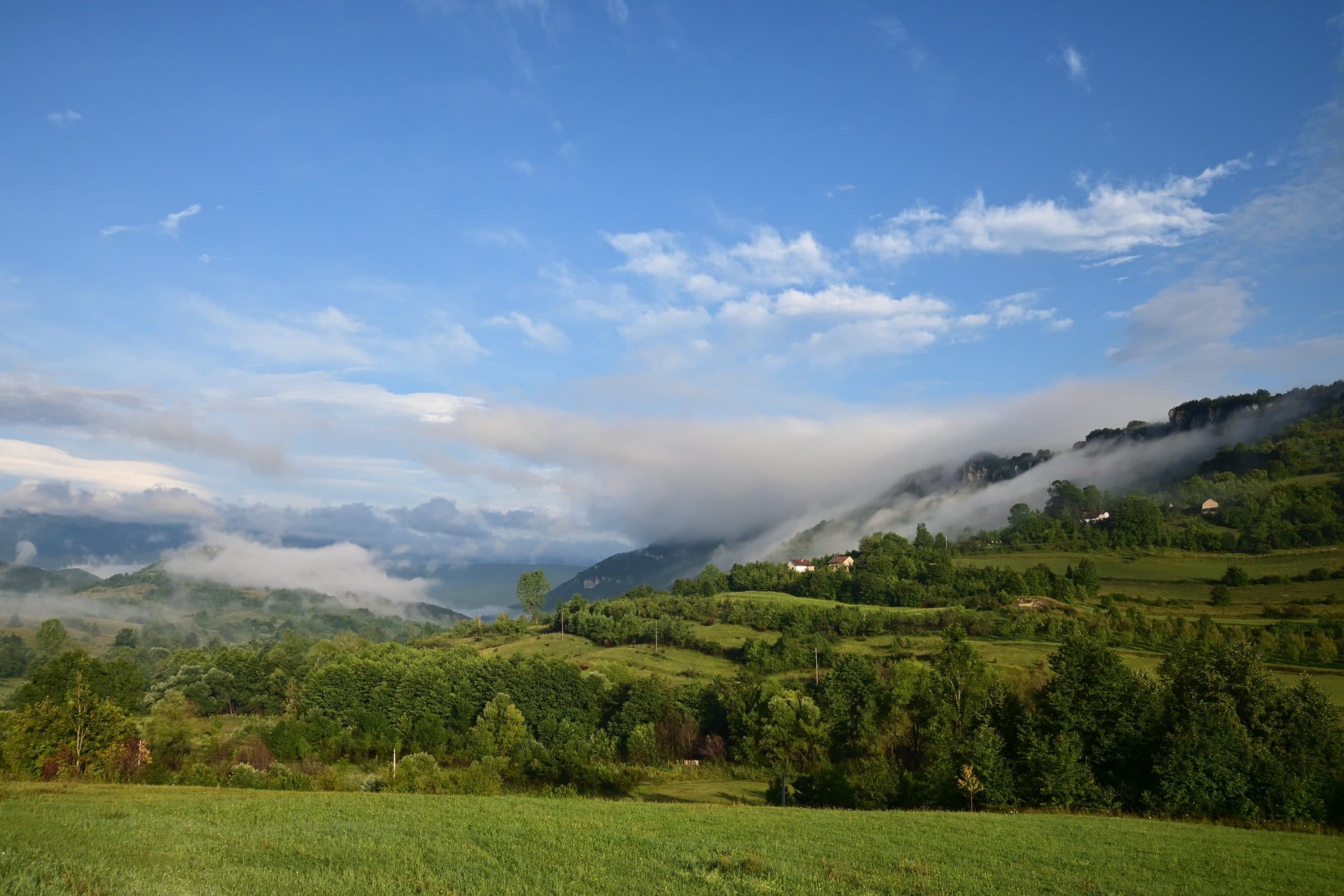
One thing is certain, though. Don't go on an empty stomach or at full throttle. The Krajina doesn't open up all at once. First come the meadows and the drystone walls, those low stone walls someone long ago laid by hand, for kilometres, without mortar, just to mark off their own from someone else's. No one builds them anymore, and they stand. When you see them, slow down, because they tell you how much human labour has gone into something that today looks as if it were always simply part of the landscape.
Along the way there's Gradina too, the remains of a medieval fort above the village. This isn't a restored castle with a ticket desk and a gift shop, it's stone that survived, on a spot from which you can see why someone chose exactly here to defend themselves. If you have half an hour to spare, the climb up to it changes your sense of how old this region is. The Romans ran a road through here from Salona to Servitium, and their settlement of Sarnade stood exactly where Pecka stands today. You aren't passing through a new place, but through a very old one that only looks quiet.
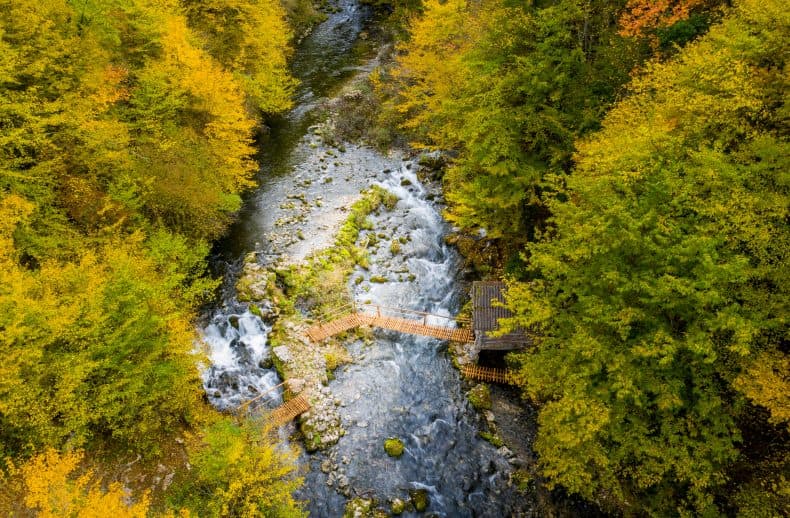
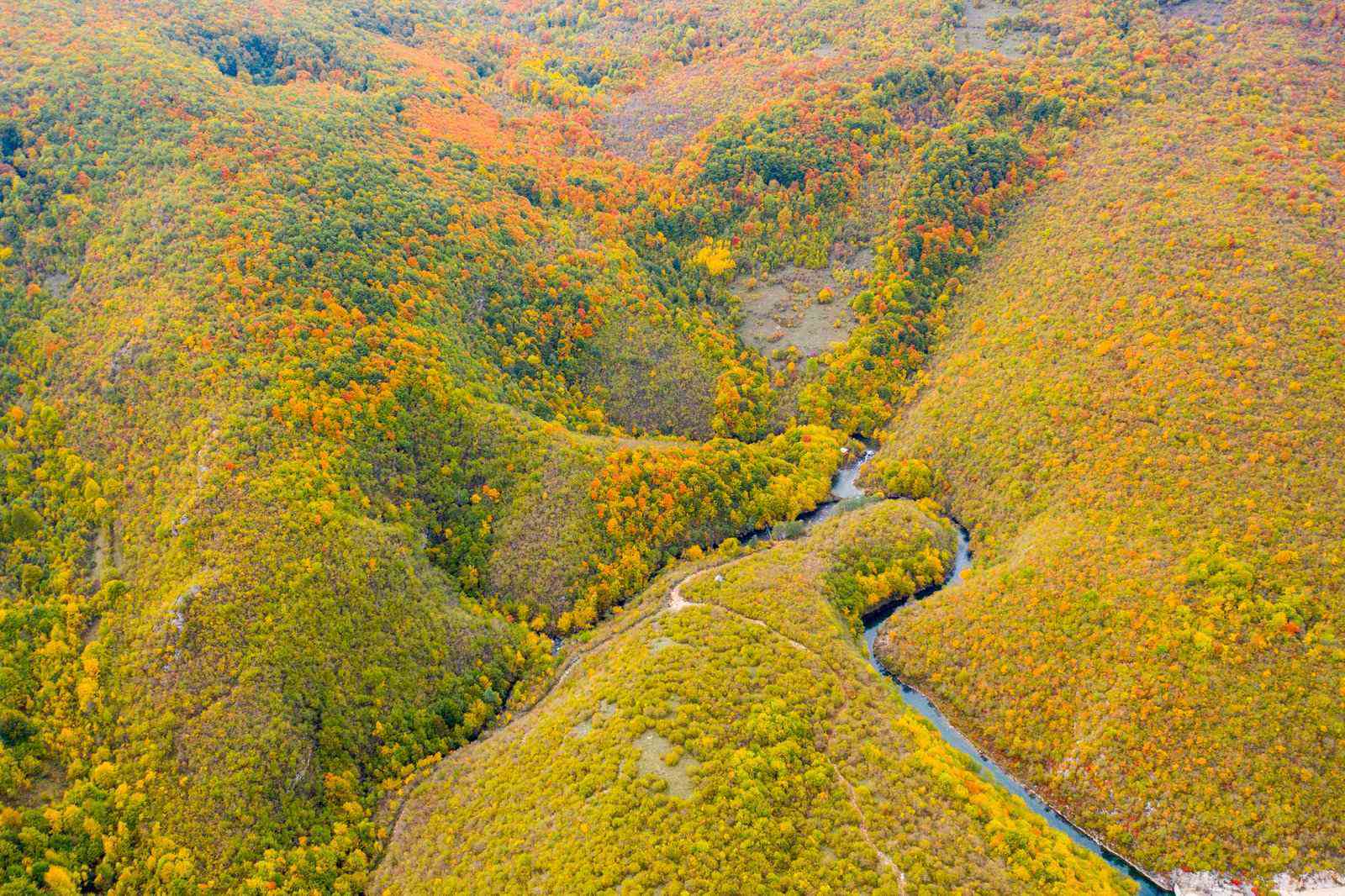
And then, after all of that, comes the canyon. People call it a hidden gem, and that isn't a marketing line but a description. It isn't signposted like the big attractions, there's no railing and no entrance fee, and that's exactly why it has kept what other places lost long ago. The sense that you've come somewhere no one was expecting you, where nature isn't putting on a show for visitors. The canyon simply is, and you are a guest in it.
So when you set out, give yourself time. Take water and something to eat, because there's nowhere to buy anything on the way. Stop when something catches your eye, get out of the car, let it be quiet for a minute. The canyon will wait for you. It isn't going anywhere. The only thing you can miss is everything in between, and that in between is exactly the reason to come.