THE PECKA MUSHROOM SCHOOL · VISITOR CENTER
The forest is full.Learn to read it.
The forests around Pecka are full of mushrooms, edible and medicinal wild plants and forest fruit — but to gather them, you have to know them. Every year we run the Pecka Mushroom School: an intensive course where experienced mushroom foraging instructors teach you to tell edible from poisonous.
First two weekends of October
same schedule every year
190 BAM
tuition and food
Places are limited
full attention for every participant
Quick facts
The Mushroom School at a glance
Everything you need to decide and book a date.
- What it is
- An intensive coursetheory, field, microscopy and cooking
- When
- First two weekends of Octobersame schedule every year
- Led by
- Gašić and Marićmushroom foraging instructors, 22+ years' experience
- Price
- 190 BAMper person — tuition and food; accommodation separate
- Places
- Limitedso the guides can reach everyone
- Experience
- Not neededcomplete beginners upwards
- Where
- Visitor Center PeckaGornja Pecka, Mrkonjić Grad
The Pecka Mushroom School
Not a walk — a course
The format grew out of years of running large mushroom events and courses, and it has proved perfectly balanced. Numbers are limited so the guides can give everyone full attention. Nothing is mystified: the knowledge is handed over systematically, through carefully chosen material and a great many examples.
This is no ordinary walk but an intensive course, with plenty of questions and answers and plenty of walking to the region's most important mushroom habitats. Under a microscope you examine the spores of what you collected and go deeper into the kingdom of fungi. And cooking is part of the adventure.
The habitats change from year to year. The days and the times do not.
Theory
An introduction to the world of fungi on the first evening, before anyone goes out.
Field
Six hours across the habitats of mushrooms, plants and forest fruit.
Microscope
The spores of what you collected, and determining a species safely.
Kitchen
Cooking the day's find together, then dinner and company.
Who it's for
Beginners
No experience needed — it starts from zero.
Those who already forage
For anyone who picks already but wants to know more, and more safely.
Families
The school works well for families with children.
Who leads the school
You learn from the people who built this knowledge
The teaching and guiding is done by mushroom foraging instructors Rade Gašić and Boro Marić — pioneers of mushroom foraging in Bosnia and Herzegovina, researchers and trainers with over 22 years in courses, mushroom exhibitions and public education.
0+
years in training, exhibitions and public education
Rade Gašić
mushroom foraging instructor · teacher and guide
Boro Marić
mushroom foraging instructor · teacher and guide
- Co-authors of the national training programme for commercial mushroom pickers, adopted by the Institute for Adult Education
- Co-authors of a guide to sustainable mushroom foraging
Programme & schedule
Three days, the same schedule every year
The habitats change from one year to the next. The days and the times do not.
Friday
19.00 – 21.30
Arrival and theory
19.00–19.30
Arrival and check-in
19.30–20.30
Introduction to the programme, and dinner
20.30–21.30
Theory: an introduction to the world of fungi
Saturday
08.00 – 23.00
Field, microscope and kitchen
08.00–09.00
Breakfast
09.00–15.00
Field training in the habitats of mushrooms, plants and forest fruit
15.00–16.00
Lunch
16.00–19.00
Break and free time
19.00–23.00
Microscopy, cooking the day's mushrooms together, dinner and company
Sunday
08.00 – 14.30
Picking for yourself, and home
08.00–09.00
Breakfast
09.00–13.00
Field training in the mushroom habitats. Picking mushrooms and forest fruit for your own use
13.00–14.00
Lunch
14.00–14.30
Closing, and the journey home
- field
- microscope
- theory
- kitchen
- break
If the second October weekend differs in content, we will add it — until then the same schedule applies.
What you'll learn
Six things you take home
Identification
Which mushrooms and plants are edible and which are poisonous — and how to avoid a dangerous look-alike.
When, where and why they grow
Reading the forest, the habitats and the season.
Spores and determination
Microscopy, and determining a species safely.
Collecting and transport
From the forest to the kitchen without a mistake.
Preparing and preserving
Drying, pickling, cooking — keeping the find for winter.
Medicinal and edible plants
Recognising wild plants and knowing what to do with them.
The spore print
Leave a cap on paper and it prints its own record — the colour and arrangement of its spores. It is one of the ways a species is reliably determined, and the reason Saturday evening is spent at a microscope.
A spore print takes a few hours to form. Its colour is one of the keys to determining a species.
Safety first
Only pick and eat what you can identify with certainty.
Two mushrooms can look almost identical, and one mistake can be fatal. That is why identification is learned in person, with someone who understands the material. It is exactly the point of the school: that you get this knowledge safely, from experienced guides.
We deliberately don't say which is which. This isn't learned from a picture — it's learned in the forest, with someone who knows.
Forest to plate
And to a bed named after a mushroom
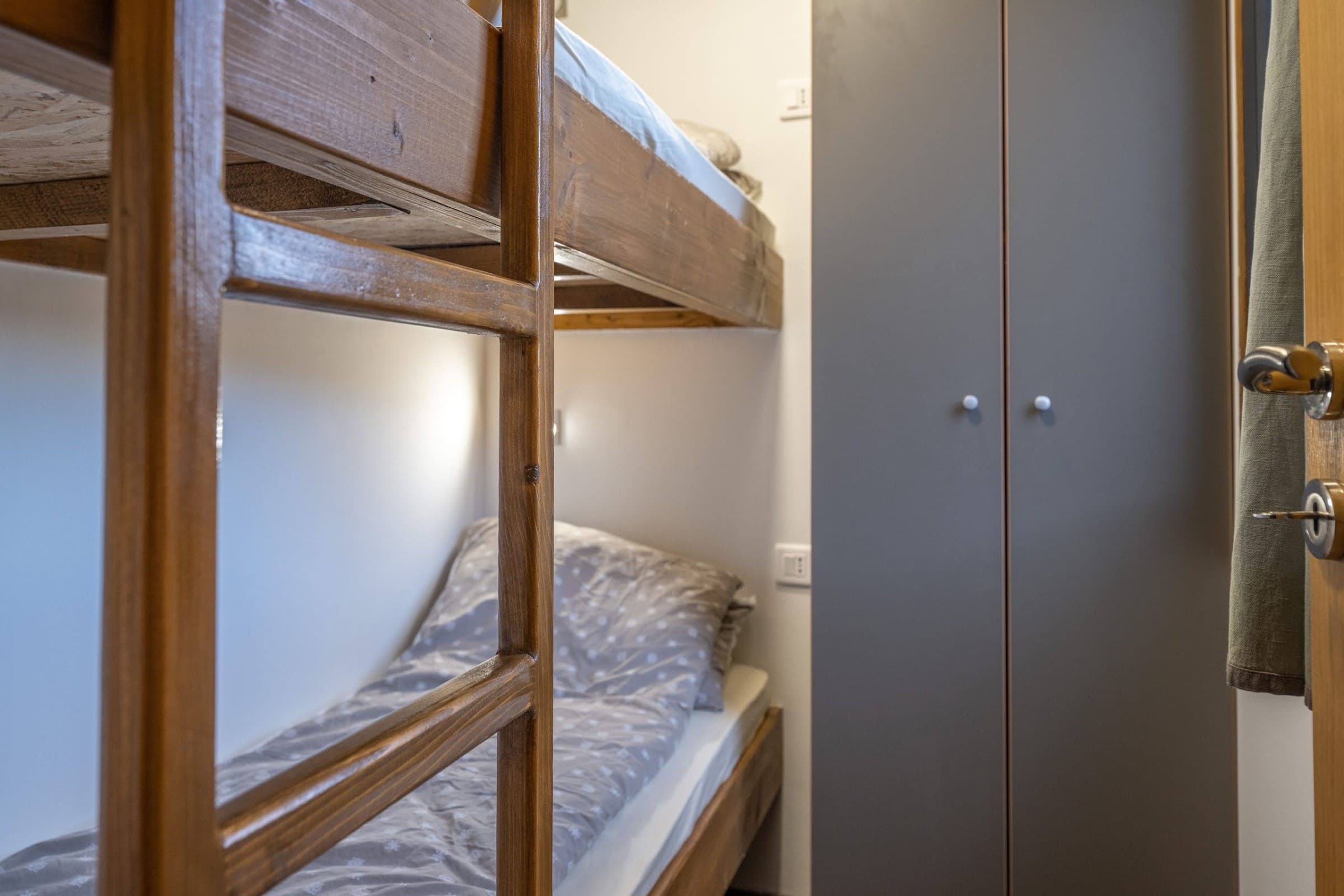
After the foraging comes the best part — cooking and tasting what you gathered together. And you sleep in one of the mobile cabins, which are themselves named after mushrooms. The whole experience, from forest to plate to bed, stays inside one story.
The cabins carry the names of this region's mushrooms
- Smrčak
- Blagva
- Lisičarka
- Crni vrganj
- Šumsko pile
Shorter workshops
If you can't make October
Alongside the October school we run shorter guided workshops on edible and medicinal wild plants and mushrooms during the season — a walk around the area near the centre lasting about three hours.
- ≈3 h
- workshop length
- 10+
- plants you learn to recognise
- several
- mushroom species
Workshops run through the season, for example at the Pecka Outdoor Festival. Get in touch with the centre for a date.
Where it happens
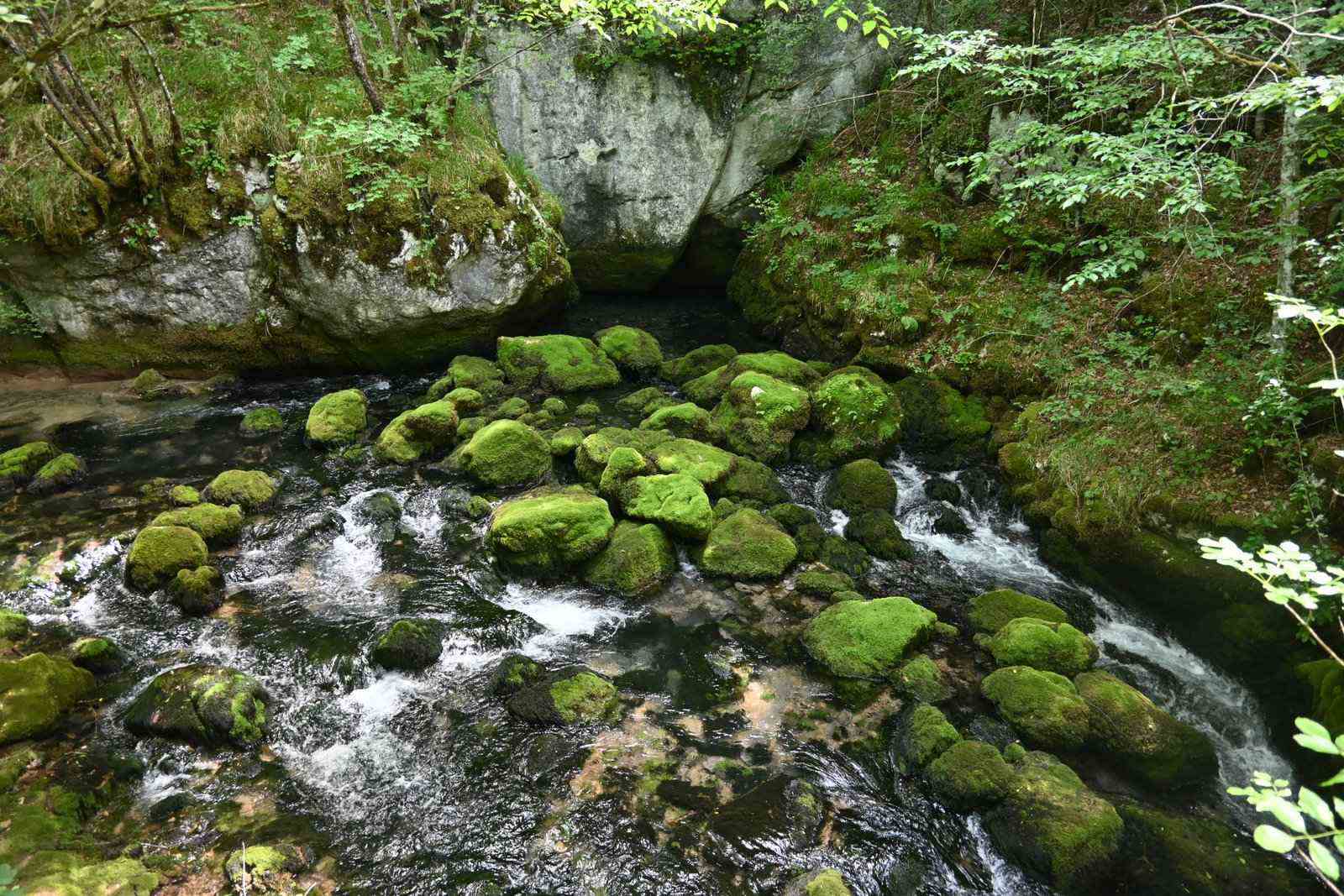
Gornja Pecka, where the Sana rises
The school is held at Visitor Center Pecka in Gornja Pecka (Mrkonjić Grad municipality), not far from the main road towards Glamoč. The Sana rises in the village, and the wider area is the Sana Springs Natural Monument.
Guide to the Sana springs- Baraći
- 3 km
- Šipovo
- 20 km
- Mrkonjić Grad
- 30 km
- Glamoč
- 48 km
- Banja Luka
- ≈90 km
- Sarajevo
- 199 km
FAQ
Frequently asked questions
When is the Mushroom School held?
The first two weekends of October, to the same schedule every year. The days and times are always the same; the habitats you visit change.
How much does it cost?
190 BAM per person, which includes tuition and food. Accommodation is arranged separately.
Do I need any experience?
No. The course suits complete beginners as much as people who already forage, with plenty of examples and fieldwork.
Who leads the training?
Mushroom foraging instructors Rade Gašić and Boro Marić, pioneers of mushroom foraging in Bosnia and Herzegovina with over 22 years of experience.
Can I bring my family, or come as a group?
Yes — the school works well for families, and for groups we put together a tailored programme and date.
Where do I sleep?
In the mobile cabins or the centre's dormitory, or in a village household nearby.
Will I be able to forage on my own afterwards?
The aim is that you can identify the species you learned with certainty. The rule always holds: pick only what you know reliably.
Register
Places are limited.
The school runs the first two weekends of October. Get in touch to reserve a place, or to arrange a date for your group.
190 BAM
per person · tuition and food
- +387 65 848 889
call · WhatsApp · Viber
- peckaoutdoor@gmail.com
email