Moss and water
The greenest stretch of the year is short, and easy to miss unless you look down.
 Redakcija Pecke
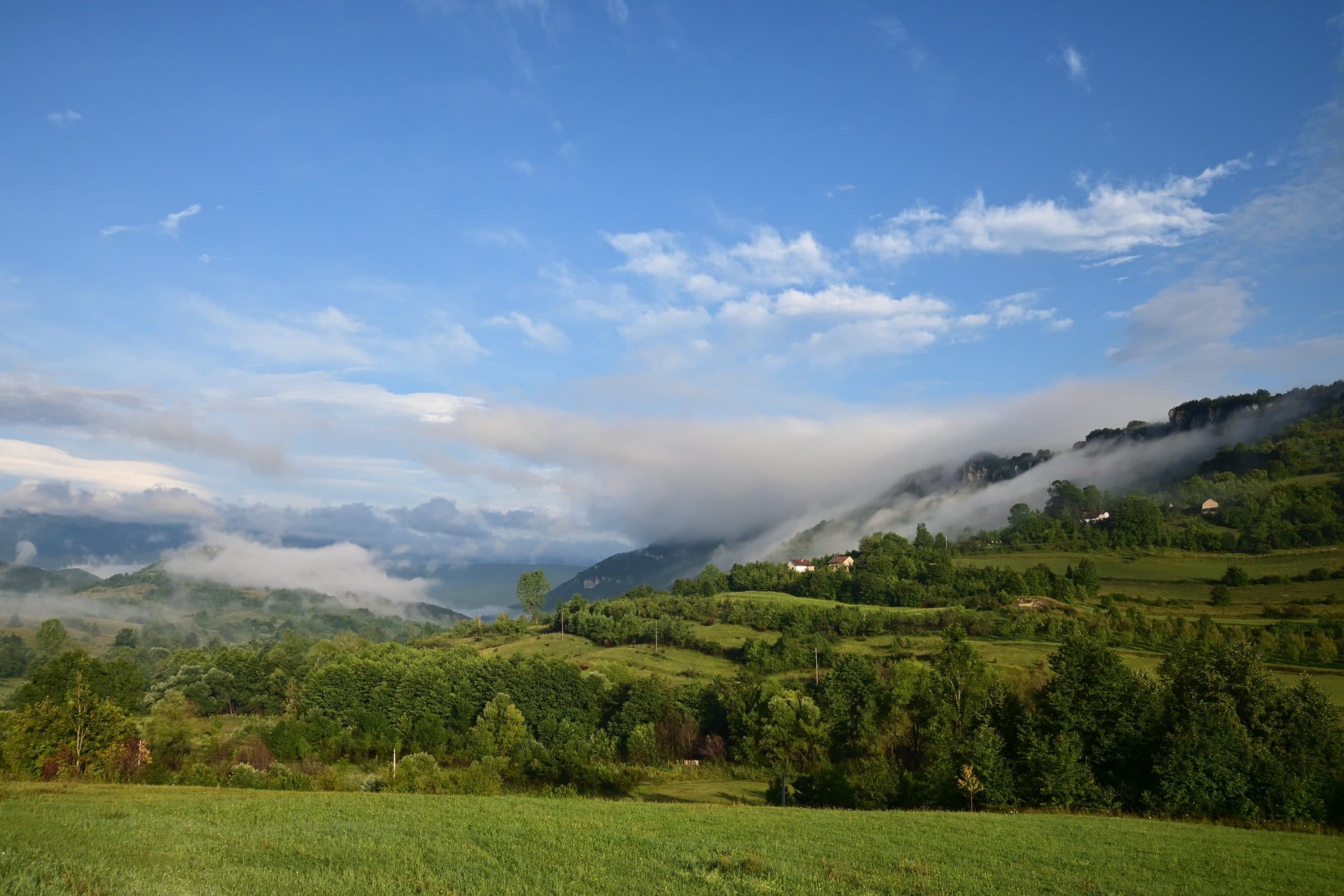
There are a few weeks in the year when Pecka is greener than green should be allowed to get. It isn't the green of the meadow that everyone sees. It's the small, low green that grows where water and stone touch, and that you notice only if you drop your gaze and slow your step.
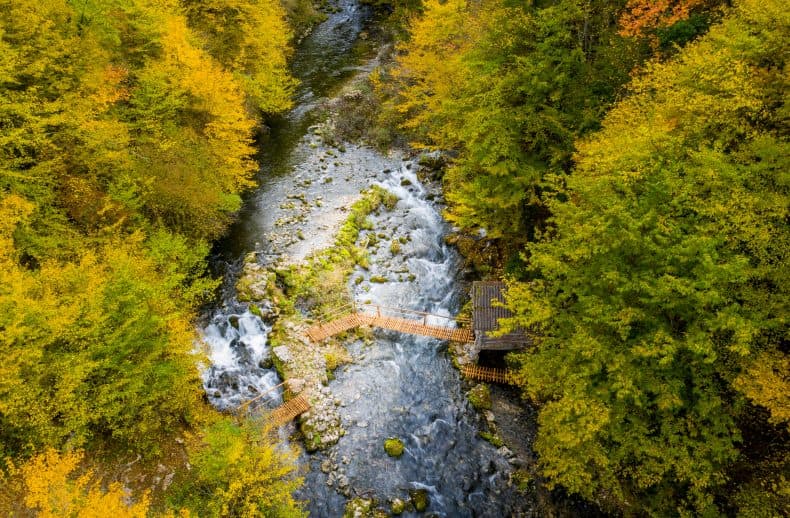
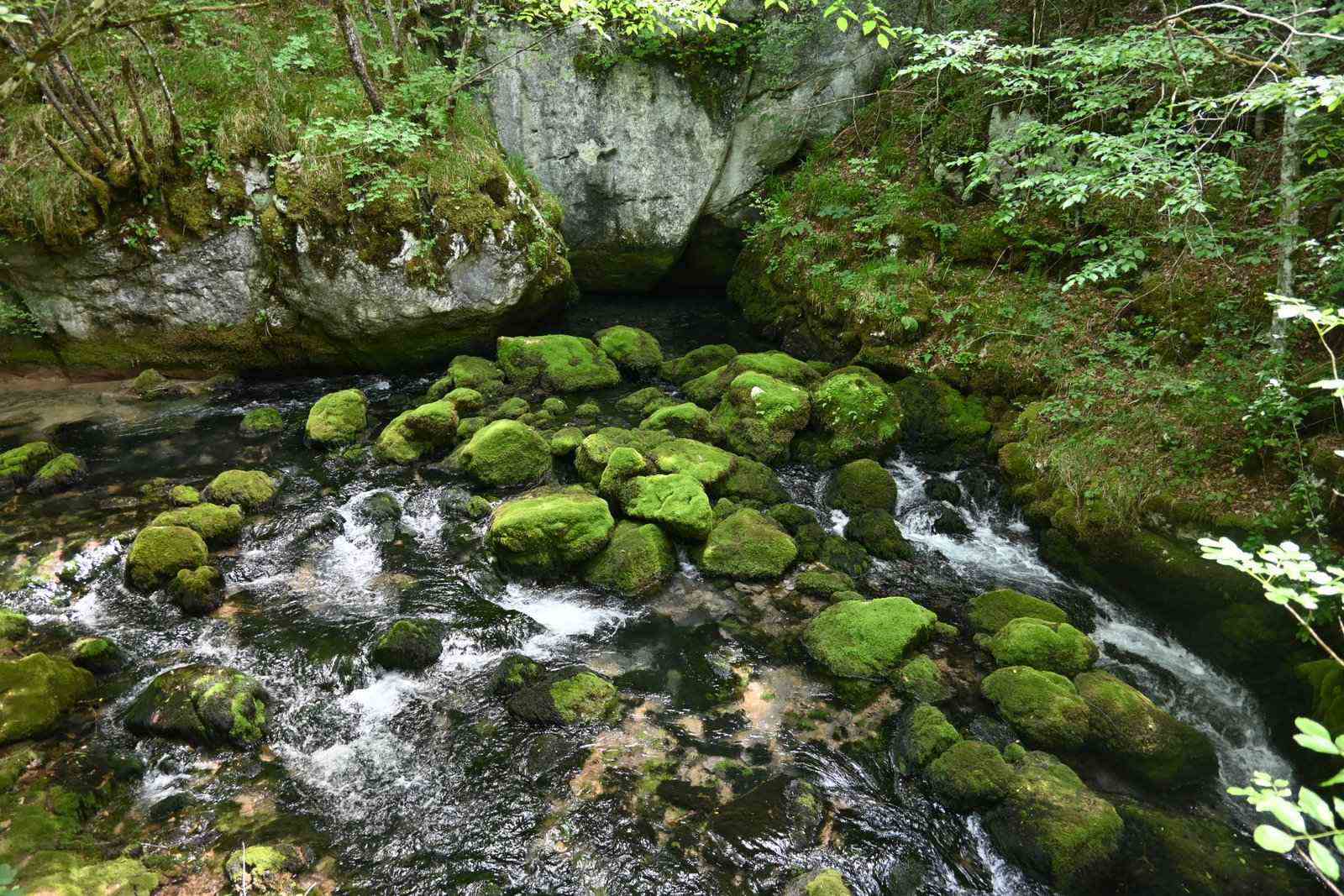
Around the karst springs, where water drips endlessly down the rock and the sun reaches only briefly, moss covers everything. Stone, stump, old roots, all of it takes on a soft green layer that looks as if someone laid a carpet over the forest. With it come ferns, and that damp, cold smell of earth and water that can't be described and that everyone recognises the moment they catch it. Here, where water has run over the same stone for years, it leaves behind deposits of tufa, so the rock itself turns into something living and shaggy with green.
That beauty is deceptive for two reasons. First, it's brief. It's at its fullest while there's enough moisture and just enough sun, in spring and after the autumn rains, and it passes quickly. Second, it's small. Anyone walking with their eyes on the distance, on the peaks and the ridge, will pass a whole world without noticing it, because that world happens below knee height.
So the only advice in this piece is really advice about walking. When you're near the water, look down. Not constantly, but now and then. Stop beside a wet rock and look at it closely, as if it were something worth your attention. Because it is. The greenest thing Pecka has doesn't rise up high. It grows right against the ground, by the water, waiting for someone to notice it before the sun dries it out until the next rain.